72 Hours in Zurich – a Love Letter in Black and White
Three days. One city. One camera.
And black and white in its most honest, unfiltered form.
And black and white in its most honest, unfiltered form.
Zurich-based photographer Stefan Berdat was given the rare chance to test the new Leica Q3 Monochrom before its official release. Known for his minimalist, poetic monochrome work, he set out on a quiet journey through his city. What he returned with were not just photographs, but moments—filled with depth, light, and memory.
“When colour disappears, only the essential remains: light, shadow, structure — pure seeing.”
Between Technique and Emotion
Designer by trade, Leica photographer by heart—Berdat has a refined sensitivity for visual language and precision. But the moment he held the Q3 Monochrom in his hands, something shifted. It felt new, yet strangely familiar.
“As an M photographer I instinctively switched everything to manual—creatures of habit, right?” he says with a laugh.
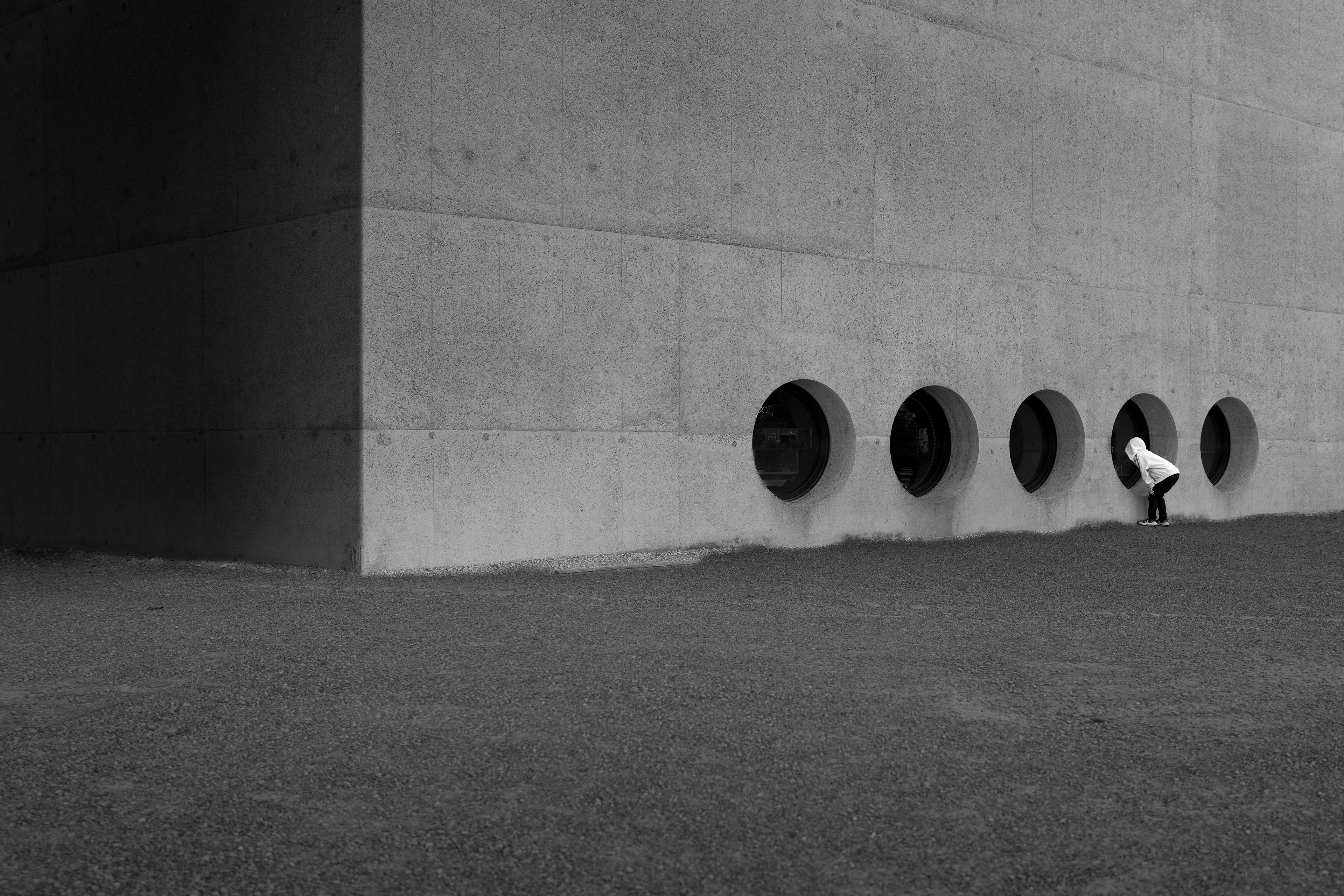
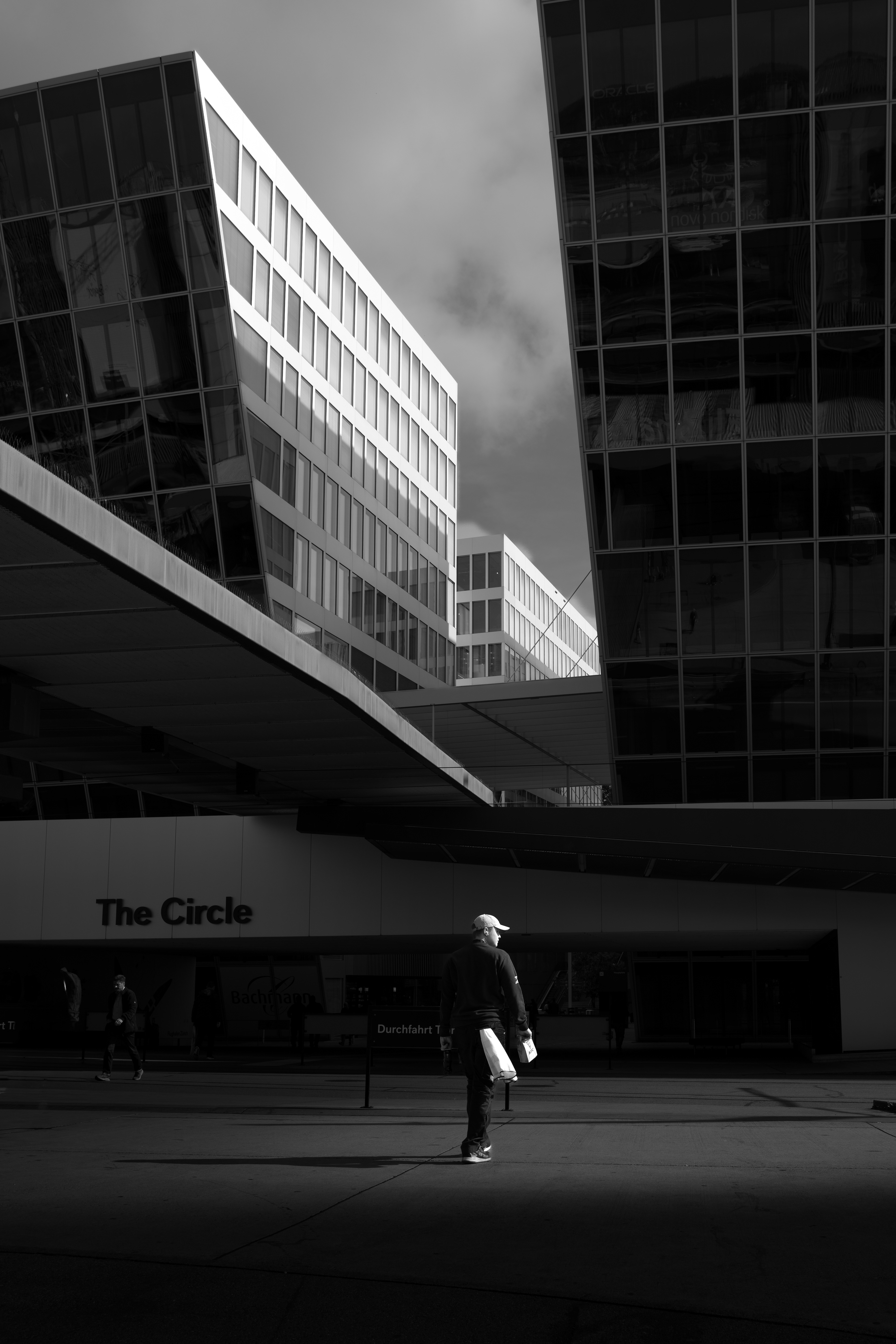
The first images he took at the National Museum were intentionally soft, almost dreamlike. “People in the frame, but discreet.”
On the second day, he let the camera decide. And it surprised him.
“Often enough it seemed to think the way I do. That was… a little uncanny.”
The RAW files impressed him instantly. “Just—wow. Some shots came out so right that I barely had to touch them. Exactly the way they were in my mind, and exactly the way the camera gave them back.”
The Quiet of Photography
His love story with Leica didn’t start with an image, but with a feeling in his hands.
“It was love at first grip. My best friend Jip had a small collection of Leicas—probably more than reasonable. When I held his M for the first time, I was done for. That weight, that mechanism, that solid, confident click of the shutter—precision cast into beauty.”
“It was love at first grip. My best friend Jip had a small collection of Leicas—probably more than reasonable. When I held his M for the first time, I was done for. That weight, that mechanism, that solid, confident click of the shutter—precision cast into beauty.”
Shortly after, the M10 moved in with him. And with it began a deep connection to black-and-white photography.
But Stefan’s path is also marked by loss.
Jip, his photographic companion, passed away unexpectedly at only 30.
“Half a year ago he was suddenly gone—an aortic rupture. One second he was here, the next he wasn’t. He was more than a friend—he was part of my photographic DNA. He took the first steps with me on the M10, showed me how to really use the rangefinder. For my first exhibition, he helped choose the images and the paper. I can’t share any of that with him anymore. It shows me how fragile life is—and how important it is to hold onto it.”
Jip, his photographic companion, passed away unexpectedly at only 30.
“Half a year ago he was suddenly gone—an aortic rupture. One second he was here, the next he wasn’t. He was more than a friend—he was part of my photographic DNA. He took the first steps with me on the M10, showed me how to really use the rangefinder. For my first exhibition, he helped choose the images and the paper. I can’t share any of that with him anymore. It shows me how fragile life is—and how important it is to hold onto it.”
“One second he was here, the next he wasn’t”
Since then, Stefan’s work has grown quieter—clearer, more focused, more honest.
“Because reduction is freedom. When colour disappears, only what matters remains: form, emotion, light. Everything else may fade.”
Two Worlds in Black and White – M vs. Q
For Berdat, the Q3 Monochrom is not a replacement but an expansion.
“The Q3 is crystal clear, almost clinically precise—crisp in the best way. The M, on the other hand, has that subtle organic touch, something closer to film. They’re two different characters, both fascinating.”
“The Q3 is crystal clear, almost clinically precise—crisp in the best way. The M, on the other hand, has that subtle organic touch, something closer to film. They’re two different characters, both fascinating.”
Where the M forces slowness, intention, and ritual, the Q3 opens new doors: speed, intuition, spontaneity.
“I see with the Q3 the same way I see with the M—but it gives me moments I would otherwise lose. These fleeting, unplanned seconds in which life briefly pauses.”
“I see with the Q3 the same way I see with the M—but it gives me moments I would otherwise lose. These fleeting, unplanned seconds in which life briefly pauses.”
One of these moments stays with him:
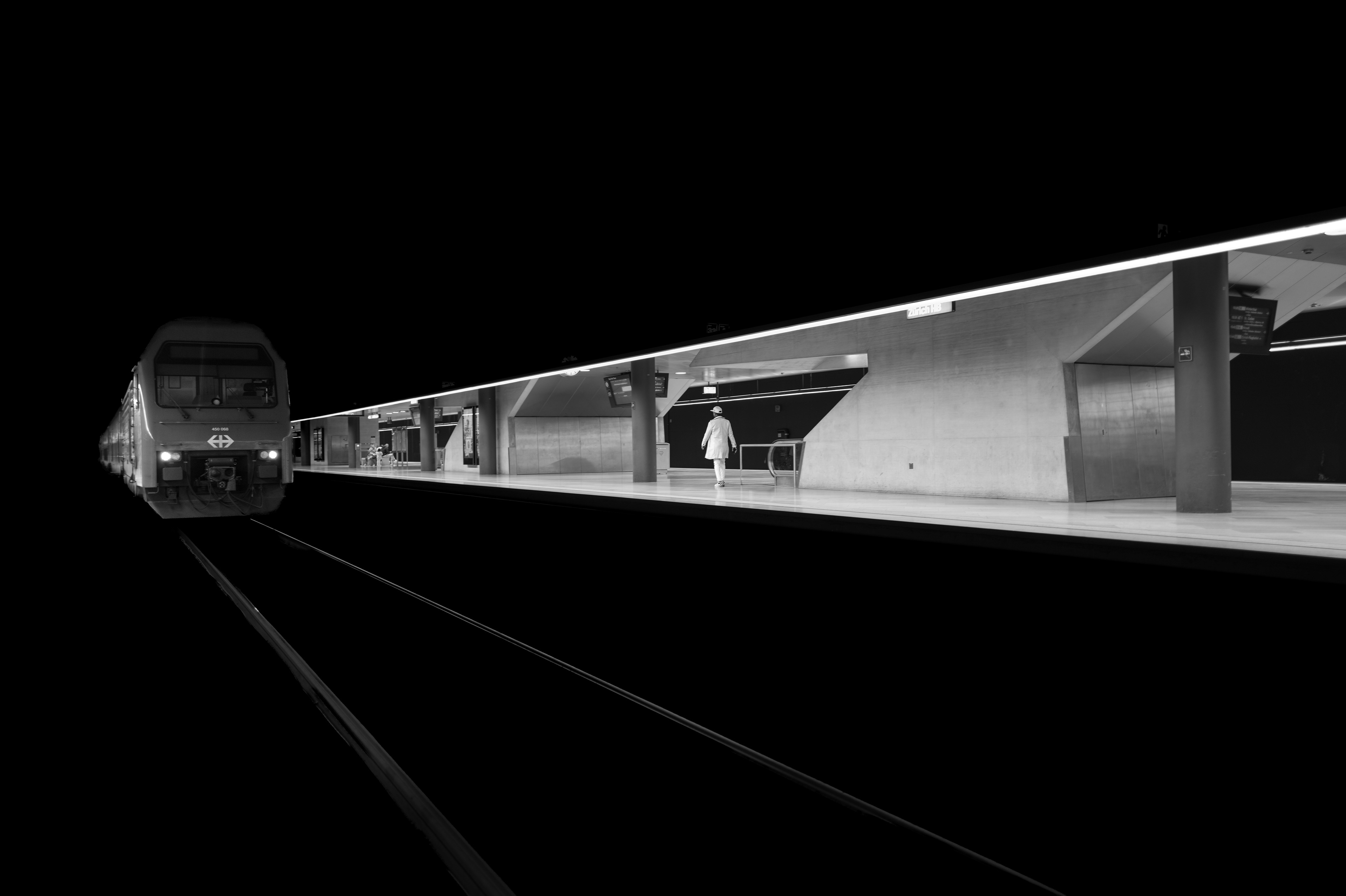
“I was at Zurich Main Station when I caught a man in white coming down the escalator. I ran to meet him—right as a train pulled in. I had a fraction of a second before he disappeared behind the cars. That was a hunting shot—manual would’ve never stood a chance.”
“I was at Zurich Main Station when I caught a man in white coming down the escalator. I ran to meet him—right as a train pulled in. I had a fraction of a second before he disappeared behind the cars. That was a hunting shot—manual would’ve never stood a chance.”
72 Hours in Zurich – the Project
Three days. One camera. And the promise to see everything in black and white.
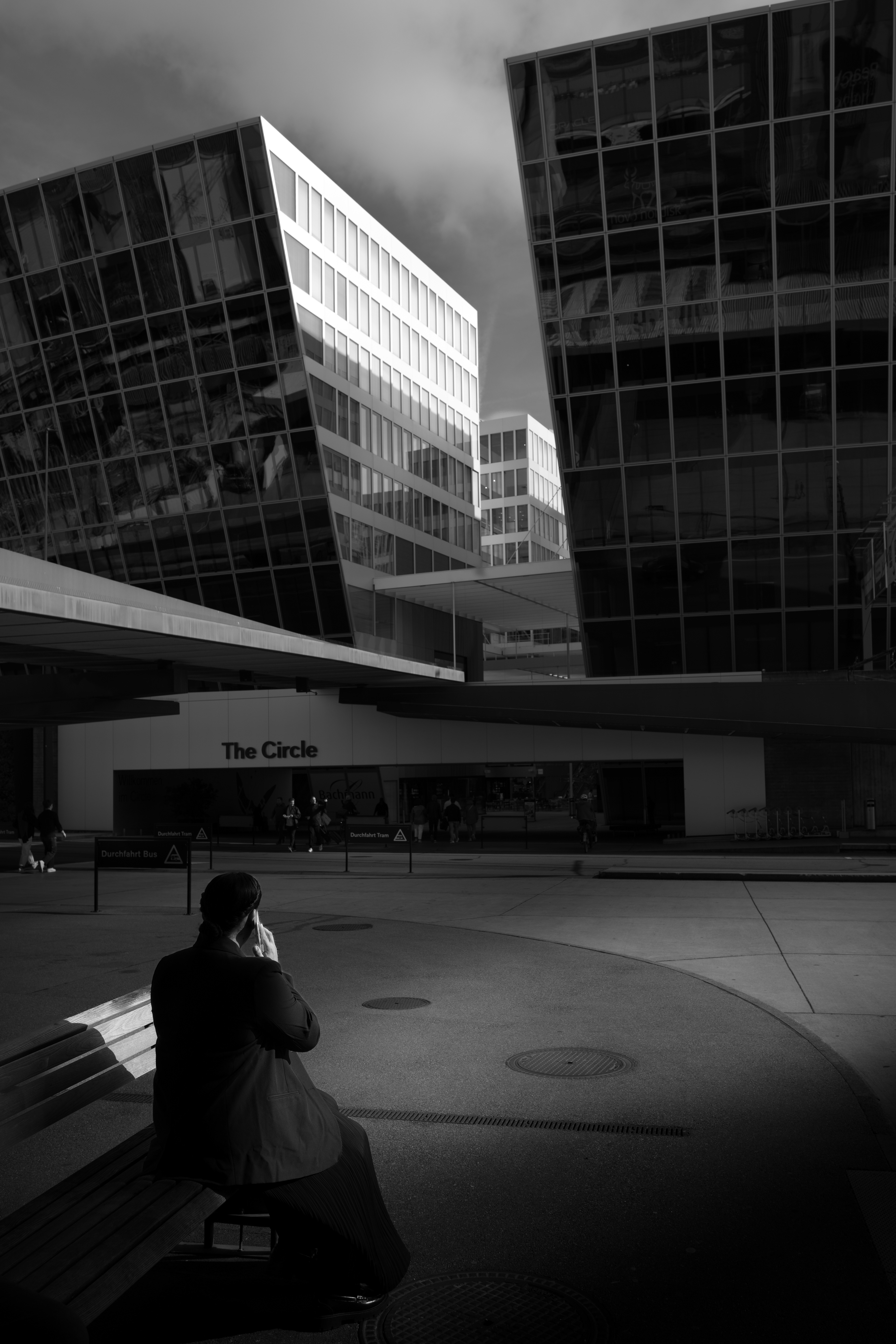
With 72 Hours in Zurich, Berdat didn’t want to document the city, but feel it.
Its structures. Its tempo. Its silence.
Its structures. Its tempo. Its silence.
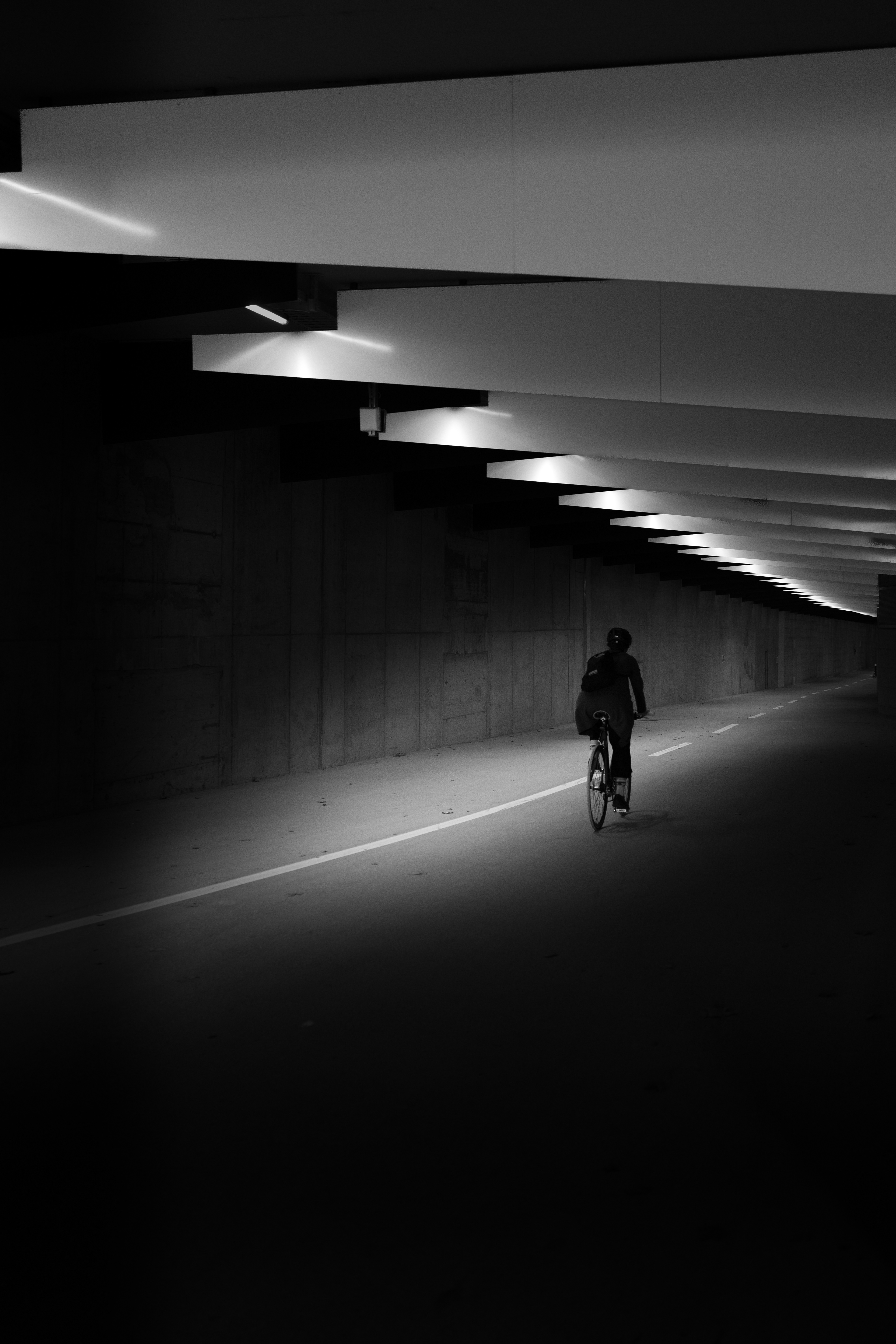
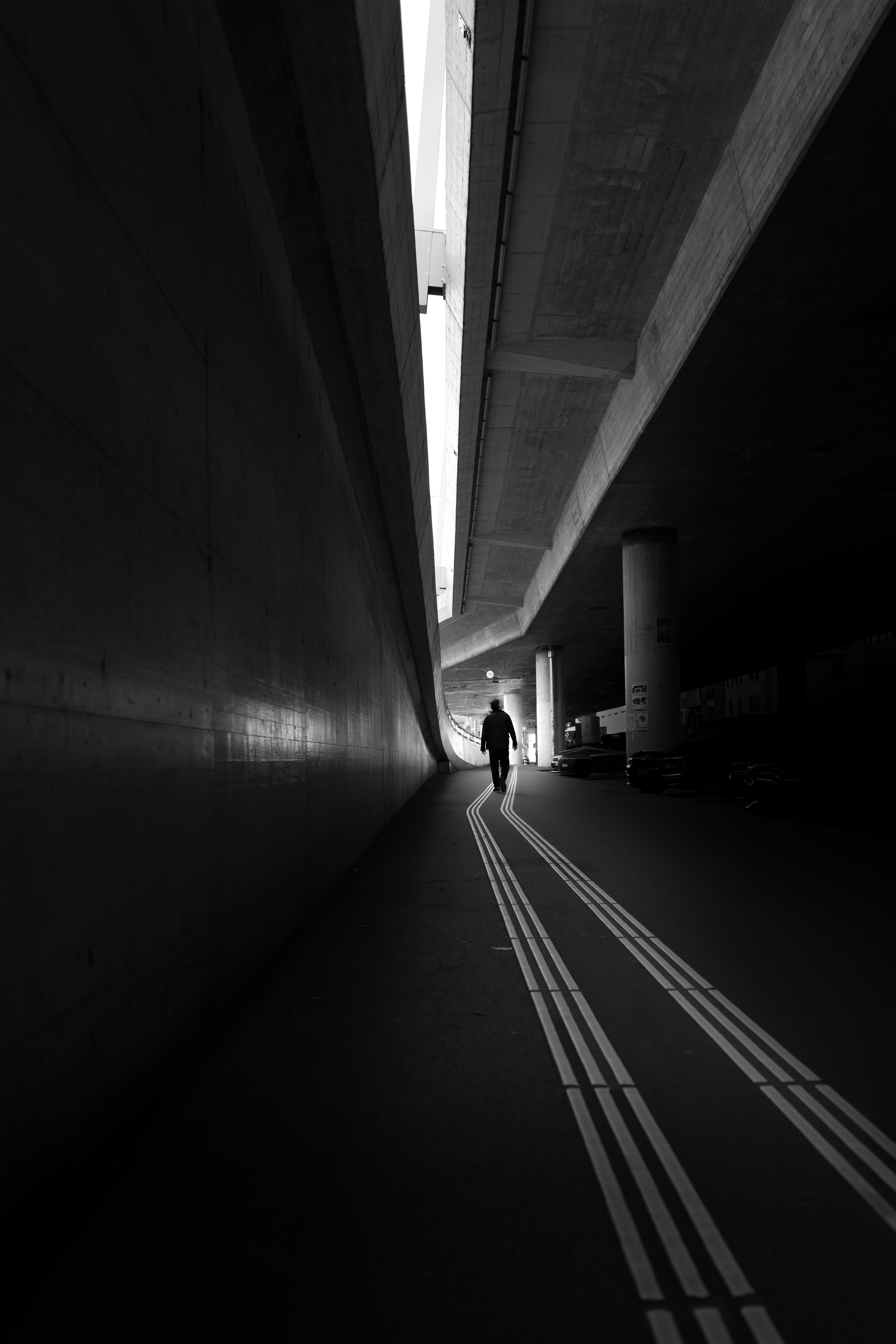
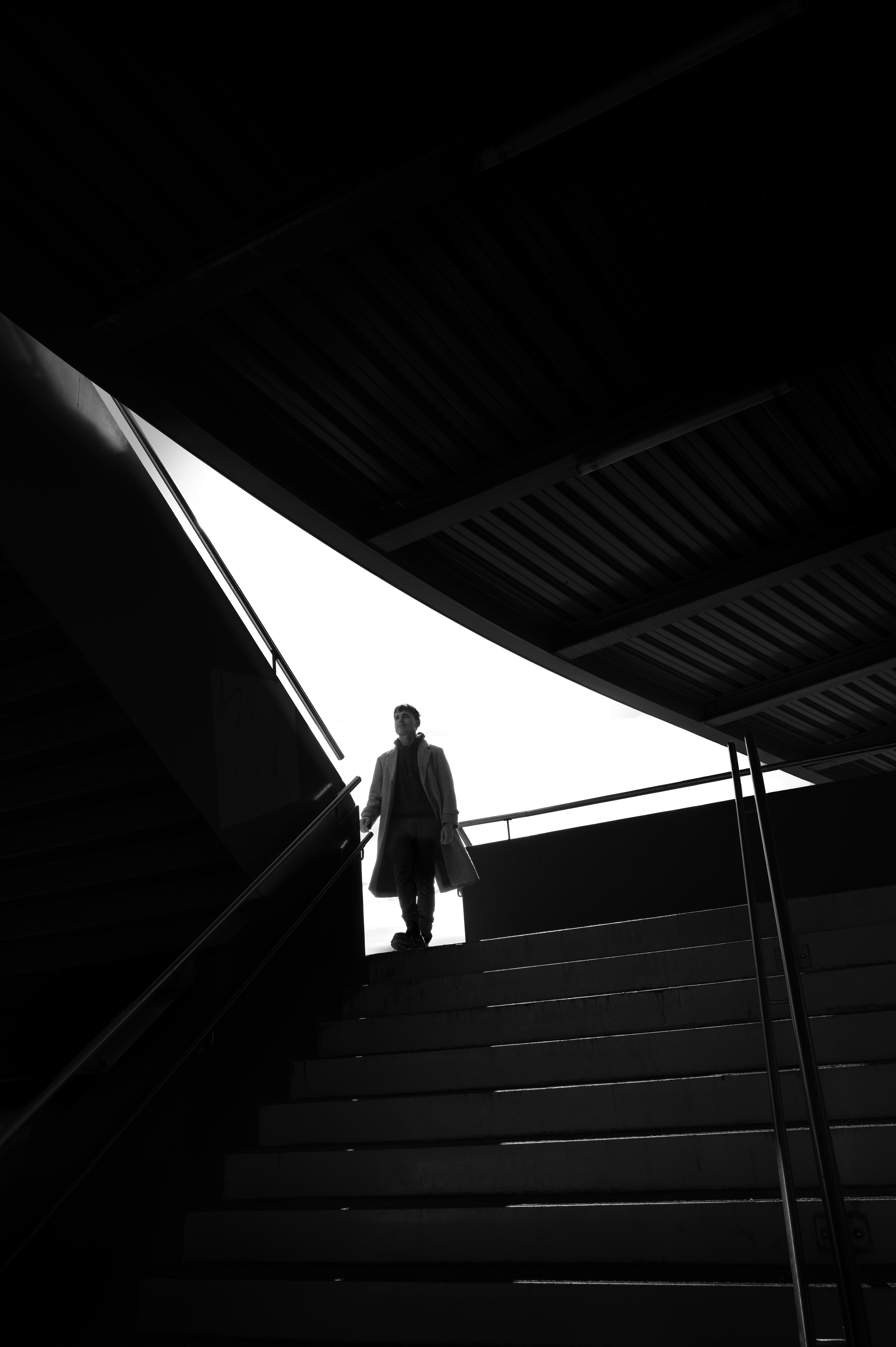
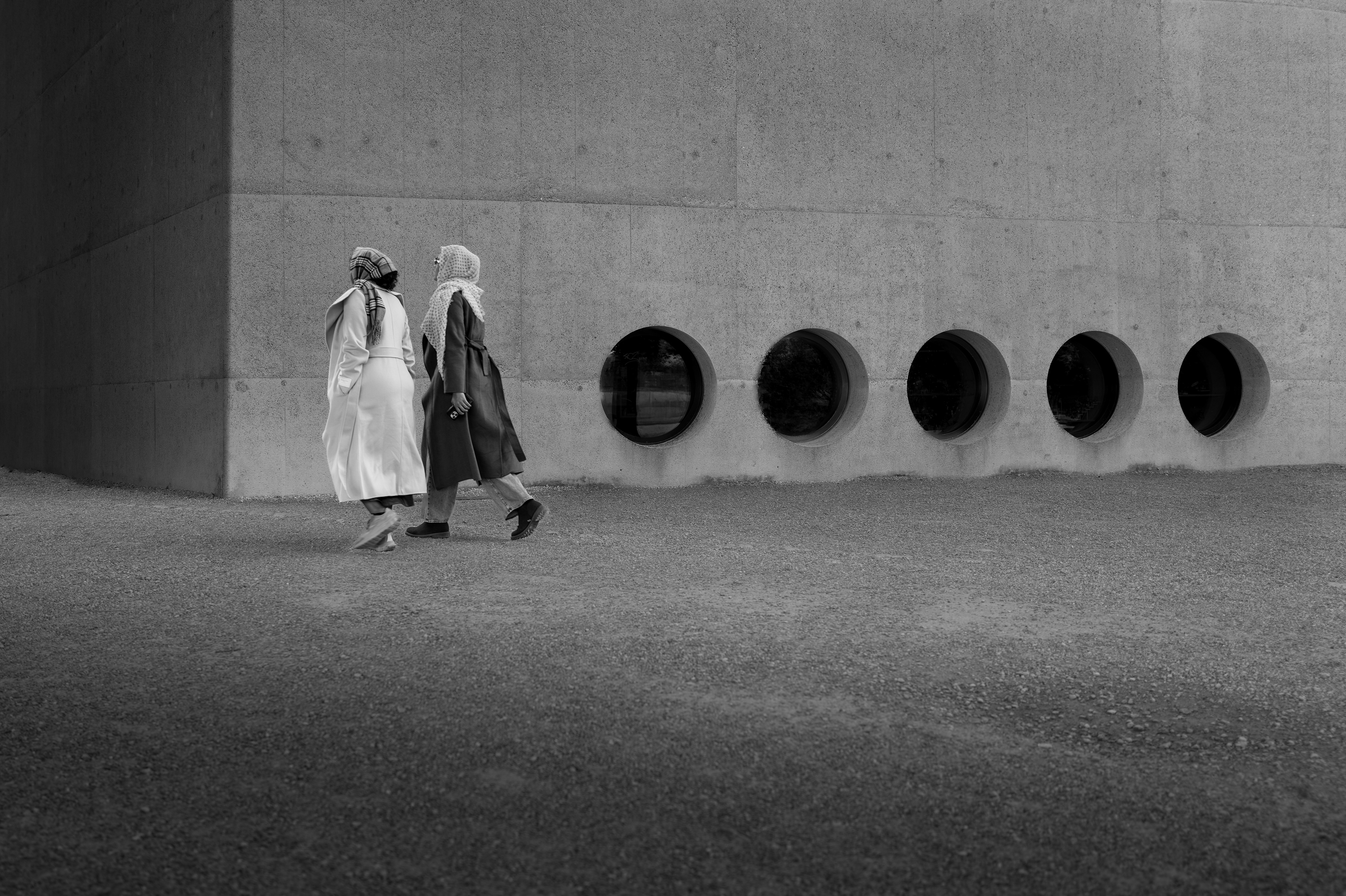
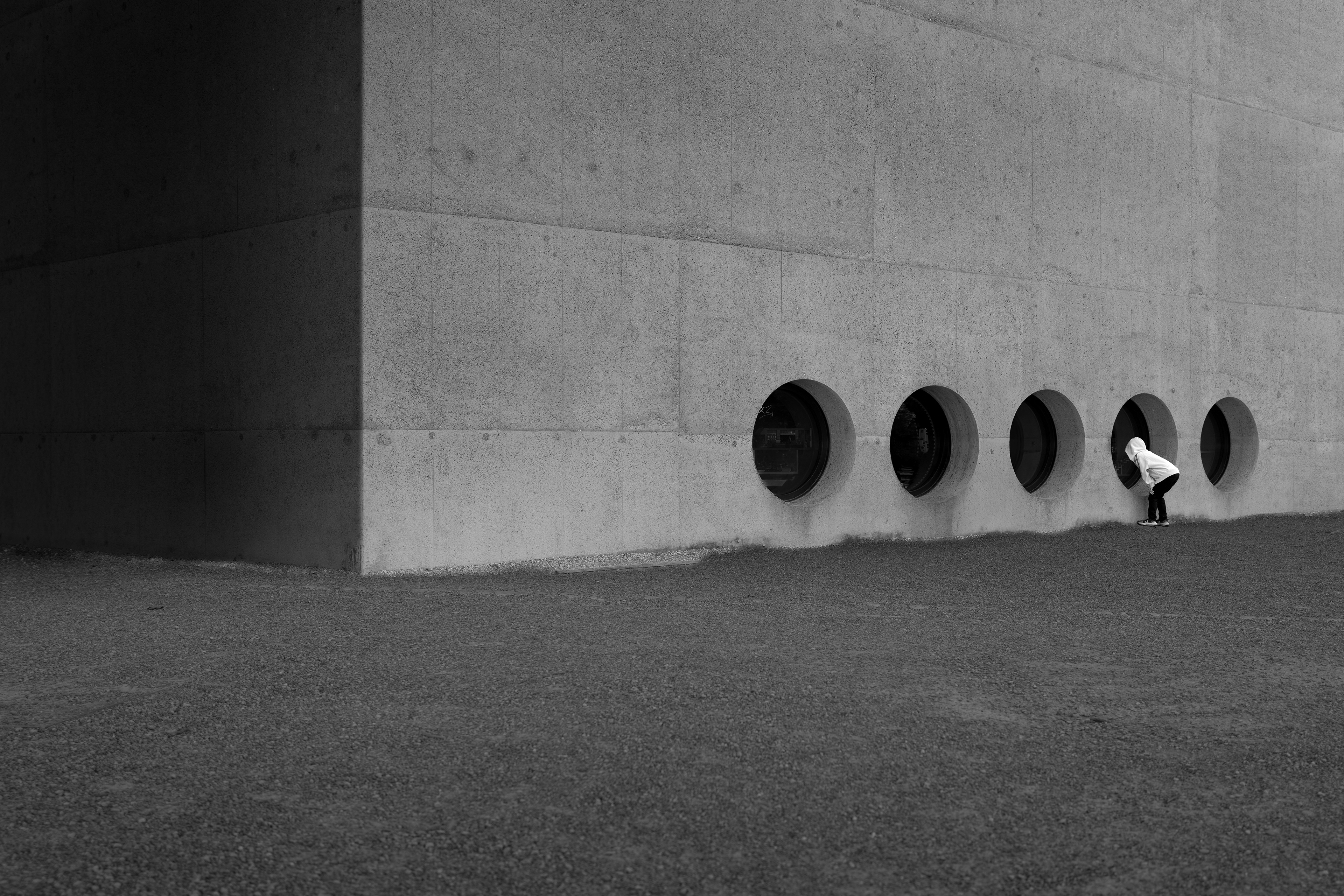
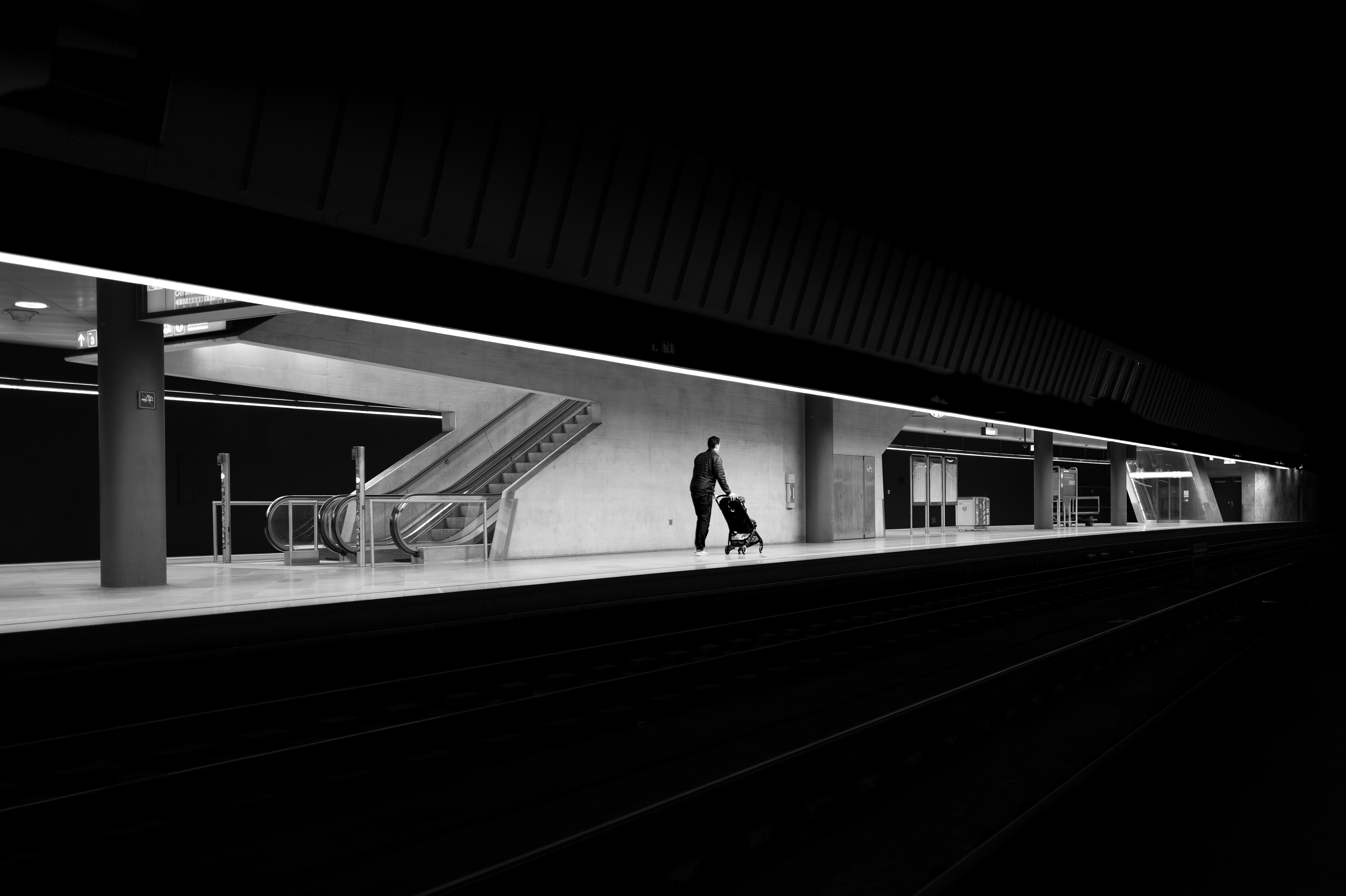
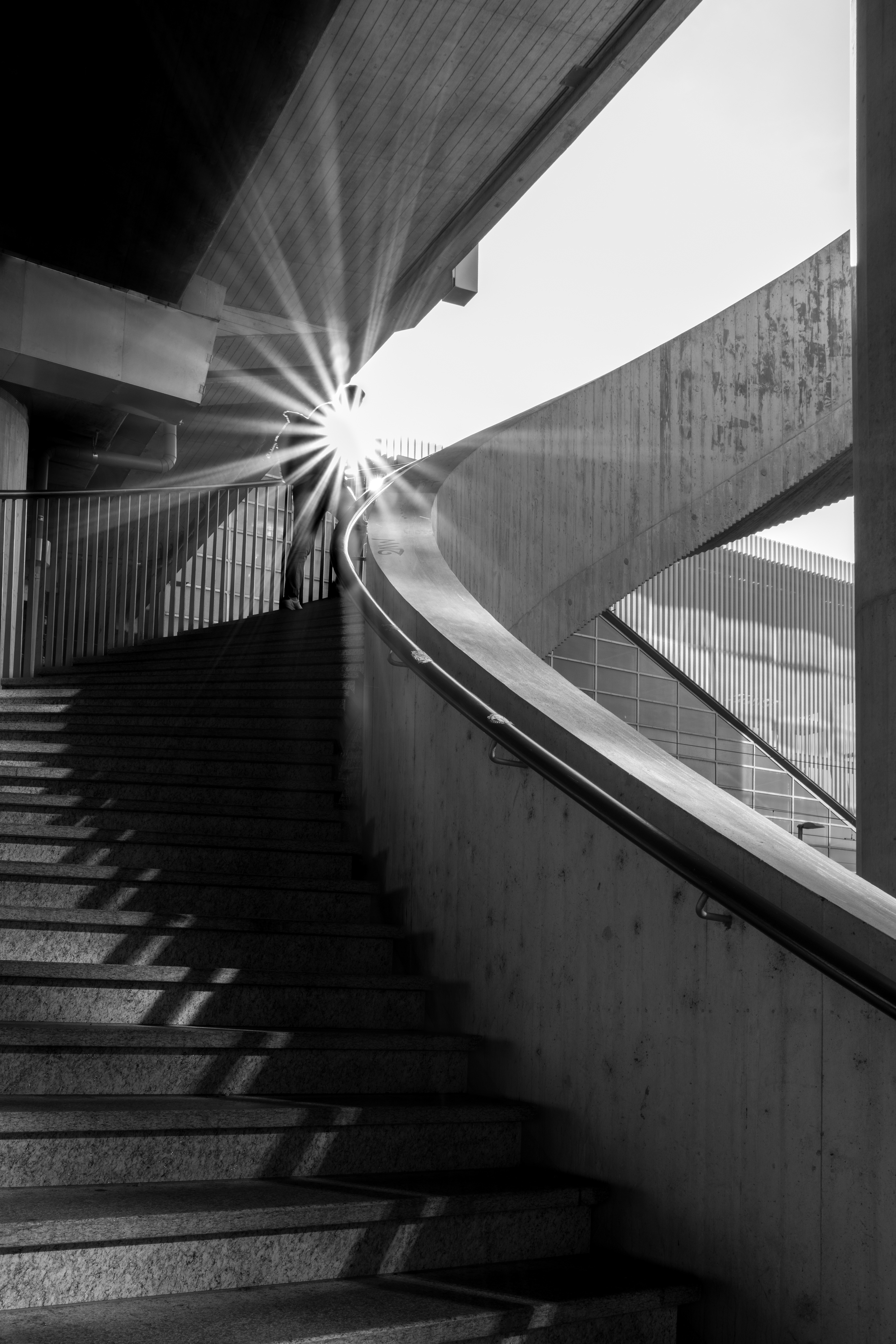
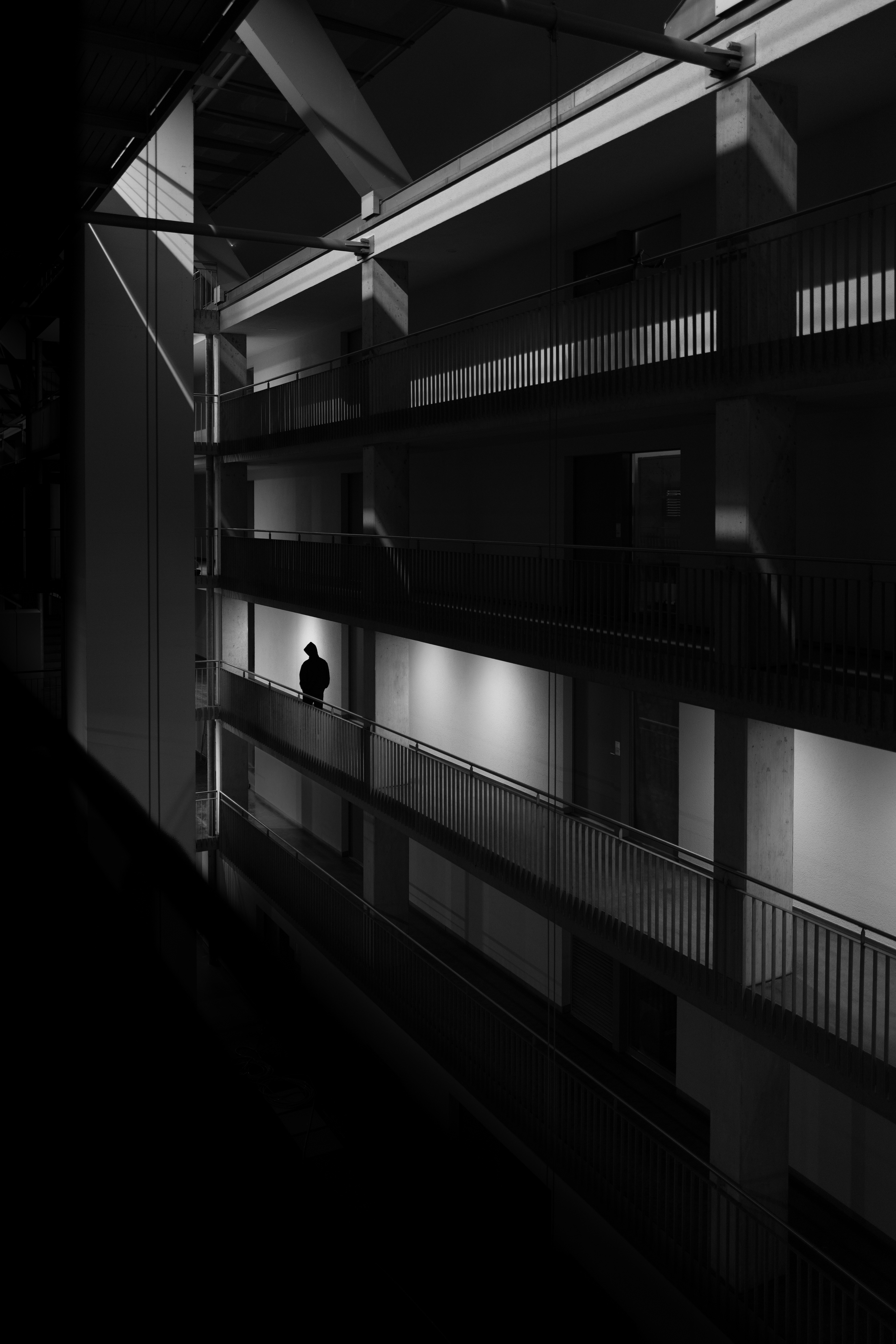
“I wanted to sense Zurich—lots of concrete, clean lines, hard shadows. And between all that, I looked for small stories.”
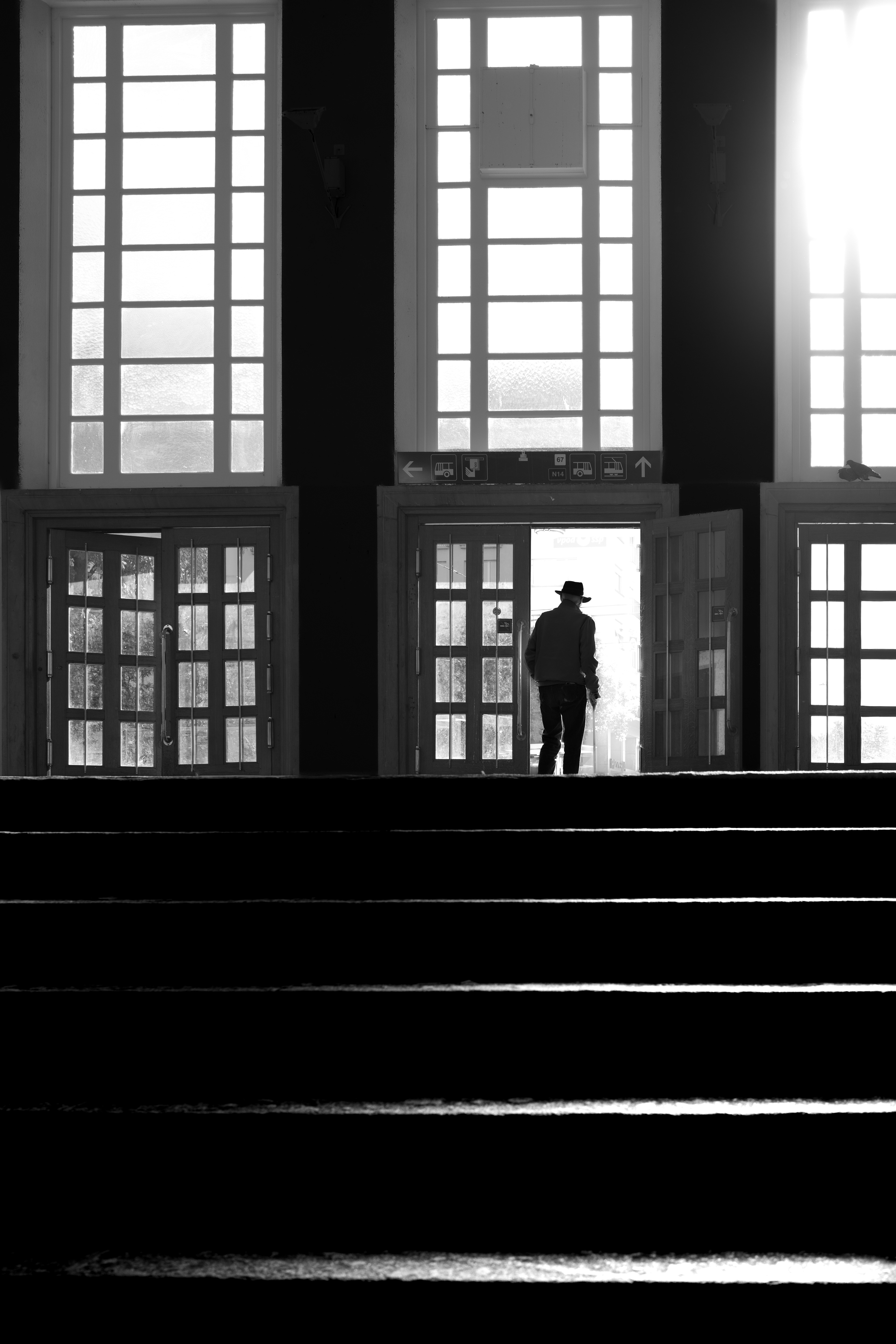
One of those stories found him at the station: an older man with a hat and a cane, frozen in the slanted midday light.
“One of those moments when architecture, light, and a human being align for just a heartbeat—and all you have to do is press the shutter.”
In the end, about 40 images remained.
“They’re the ones that matter.”
“They’re the ones that matter.”
Monochrome – the Purest Form of Seeing
Even though Berdat posts daily on Instagram and Irys, the printed image remains the true destination.
“Photography becomes real only when it leaves the screen.”
“Photography becomes real only when it leaves the screen.”
Having the series shown at the Leica Store Zurich means a lot to him.
“I’m deeply grateful for Leica’s trust—and genuinely honoured to be part of this project. It feels a bit like coming home.”
“I’m deeply grateful for Leica’s trust—and genuinely honoured to be part of this project. It feels a bit like coming home.”
For Stefan Berdat, monochrome photography is the purest form of seeing.
“Black and white doesn’t take anything away—it reveals what’s already there. It slows the eye down. It invites you to look with intention.”
Whether with the M10 Monochrom or the Q3 Monochrom, what matters most is the space between light and darkness—the real, the unplanned, the human.
“In the end, the same truth applies: sometimes less is simply more.”
“In the end, the same truth applies: sometimes less is simply more.”